
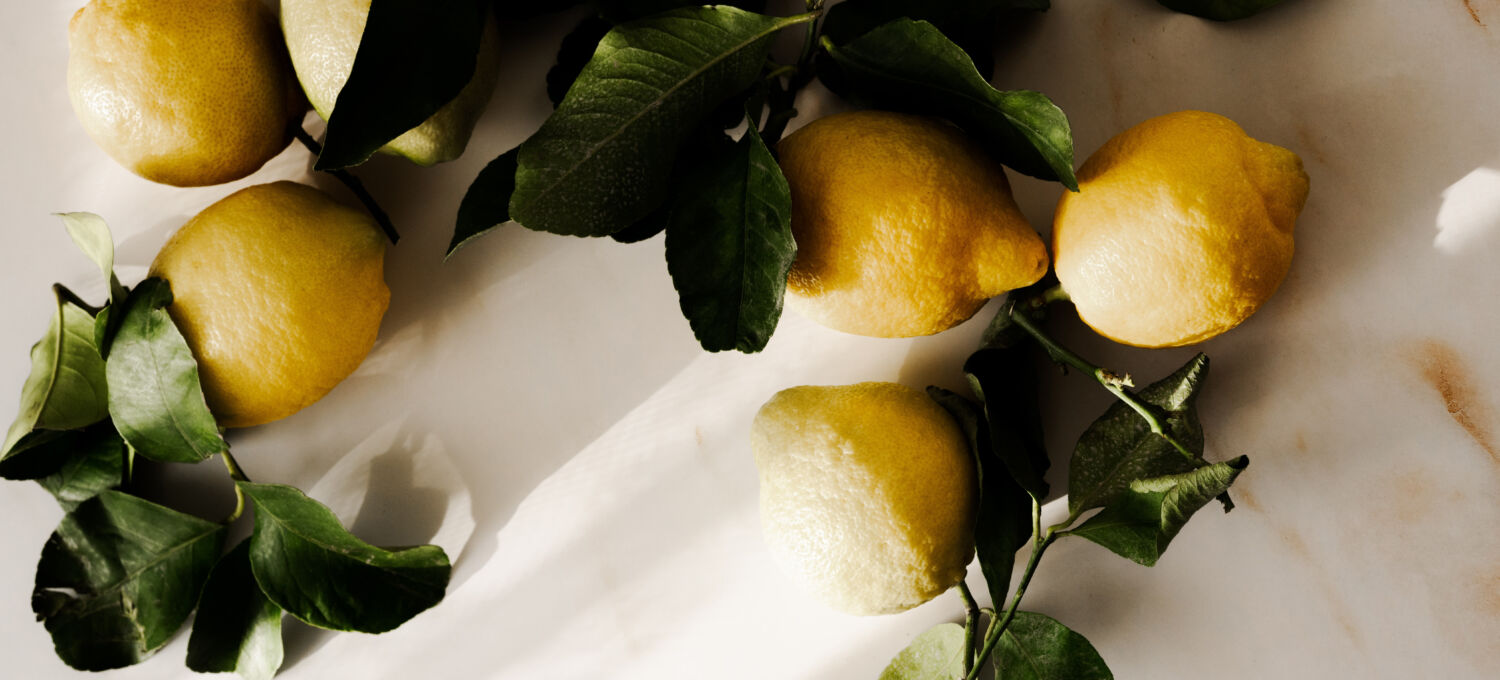
Citrus essential oils are some the most popular and therapeutically beneficial of all botanical aromatics. Uplifting, bright and cheerful, their sweet-fruity scents are well suited to the Spring season when all of nature is beginning to burst into bloom. However, I love using citrus-scented oils all year round as they always add a ‘lift’ to any blend being naturally energising and joyful in character. They are the perfect companions to counter any feelings of winter blues, depression, anxiety or overload – invaluable for helping to deal with all the stressful states of mind, body and spirit which are so prevalent in our modern age!
The Citrus Family in Aromatherapy
The citrus family offers a wide range of fragrances and the essential oils are extremely versatile. They are generally produced by simple expression from the peel of the fruit – such as sweet orange, lime and grapefruit – however neroli oil is extracted by steam distillation from the blossom of the bitter orange tree and petitgrain oil is steam distilled from its leaves. All these oils have a distinct character, some are classically sweet, like cedrat oil while some are more fruity-green, like bergamot. Of these, neroli oil is one of my all-time favourites, especially during the summer months. Our neroli 5% pulse-point perfume is refreshing, uplifting and soothing simultaneously being an adaptogen ie a substance that helps reduce the negative effects of stress on your body, so I always ensure I have a bottle with me when I’m out and about.
The main essential oils extracted from the botanical citrus genus which are used to produce essential oils are bergamot, grapefruit, lemon, lime, mandarin, neroli, orange (bitter & sweet) and petitgrain oil. At Aqua Oleum we also supply the oil extracted from the original wild citron or cedrat, as well as many organically produced citrus oils. In addition, there are several other oils which although not ‘true’ citrus family oils, still have a predominantly citrussy or lemony scent based on their principal constituents – these include citronella, lemon eucalyptus, fragonia, lemon myrtle, lemongrass, may chang and melissa or lemon balm oil.
Phototoxicity & Citrus Oils
Cold-pressed bergamot, lemon, grapefruit, lime and bitter orange oils are all phototoxic to varying degrees. A phototoxic reaction is where a constituent in the oil exaggerates the skin’s reaction to UV light causing it to become discoloured so applying any of these oils direct on the skin then exposing the area to sunlight (eg. when sunbathing) should therefore be avoided. However, these oils can be used in low dilutions of under 1.5% when added to blends, apart from bergamot oil. To avoid any dangers from phototoxicity I recommended using only bergamot oil which has had the phototoxic elements removed – at Aqua Oleum we only sell bergamot FCF (furanocoumarin-free) which is safe to apply to the skin.
The Power of Citrus Oils for Immune Defence
In addition to their refreshing scent and stress-relieving properties, many citrus oils possess outstanding anti-viral, anti-fungal and anti-bacterial properties. This helps support the immune system and provides a protective barrier against seasonal colds, flu and airborne viral infections when used in room vaporisers. Lemon oil is a botanical hero when it comes to immune defence against the spread of contagious infections due to its specific combination of constituents. The following extract is taken from an article entitled: ‘The Potential Role of Essential oils in Boosting Immunity and Easing COVID-19 Symptoms’ and outlines the basis for the power of lemon oil in providing a powerful protective shield:
“Lemon oil is effective against HSV-1, influenza virus, and myxovirus … and research reveals promising news in the fight against COVID-19. Studies show that both geranium and lemon essential oils have a remarkable ability to block the entry point of the SARS-CoV-2 virus, potentially offering a natural way to prevent infection. Studies using lab-grown models found that geranium and lemon oils significantly reduce ACE2 activity and expression, making it harder for the virus to latch on. Further analysis identified the essential components behind this effect. Citronellol, geraniol, and neryl acetate are the main players in geranium oil, while limonene takes centre stage in lemon oil. When tested individually, both citronellol and limonene mirrored the ACE2-reducing effects of their respective oils (Senthil Kumar et al., 2020). Active constituents present in lemon inhibit the replication of the influenza virus.”
(Clinical Traditional Medicine & Pharmocology Vol.5, Issue 1 March 2024)
What is Limonene?
Limonene is the naturally occurring chemical constituent within lemon essential oil that gives it its distinctive lemony aroma and helps provide immunity from viral infections. Both sweet orange and grapefruit essential oils also contain a high percentage of limonene, which makes them invaluable when used in vaporisers to help to purify the air of germs. There are other non-citrus essential oils that include limonene naturally and feature a lemony aroma. For example, lemongrass and lemon myrtle both include high concentrations of limonene and have been shown to be effective in warding off viruses.
In addition, several other lemon-scented essential oils which contain high amounts of the constituent citronellol, such as lemon eucalyptus, may chang and citronella also exhibit excellent anti-microbial activity which make them especially effective in fighting airborne viral infections. It’s amazing how these citrus-scented botanicals oils can not only leave your home smelling fresh and bright but also contribute to a healthier environment by reducing all sorts of airborne bacteria. Ideally, it’s best to refresh your home and workplace regularly in order to maintain a fragrant, uplifting and healing environment.
In Praise of Lemon
Lemon provides us with the ultimate comforting, clean and fresh scent. Perhaps the most widely known and versatile of all the citrus fruits, lemon is a valuable component in a wide range of cleaning products and consumables – indeed lemon is one of the most commercially important citrus fruits in the world today. The Mediterranean region produces almost all the lemons we find in the products used today, with any wastage from the plant being minimal, due to the fact almost all the fruit is used for something!
Lemon (Citrus limonum) is a small evergreen tree that can reach a height of 5–6m (16–20ft) and is one of the sixteen recognised species of the citrus family. Besides the fruit, which is the most commonly used, the lemon tree also produces fragrant flowers, and this blossom can make a beautifully fragrant herbal tisane or tea. Its healing qualities have been widely documented, being most prevalent in Ayurvedic and Chinese traditional medicine, as well as in European folk medicine. The name ‘lemon’ was coined sometime around 1300–1450 CE, most likely derived from the French limon and Italian limone – themselves likely newer adaptations of the Arabic laymun and the Persian leemoo.
This sunshine-coloured citrus fruit has a rich, vibrant history, acclaimed within each passing century for its bright uplifting scent, as well as for its humble yet highly praised ability to remedy a diverse range of health concerns – not to mention a preferred ingredient or standalone component in all matter of cleaning and household aids.
Historic applications of the Lemon
Documented uses of the lemon range from curing disease to casting love spells and everything in between. For the Greeks and Romans, it was a revered and prized source of medicine used to remedy poisons and venom. In India, lemons were often hung outside the home together with charcoal and chillies, called a nimbu mirchi, to protect against misery and poverty.
The first recorded medicinal lemon recipe appeared in a twelfth-century Egyptian treatise from Ibn Jumay, a Jewish physician in the court of Saladin. Titled ‘On Lemon, its Drinking and Use’, this was a medical cookbook of sorts, recommending various parts and preparations of lemon for restoring health and vitality. This is also widely considered the first recorded recipe of preserving lemons, which many chefs and restaurants have adapted since. Lemon juice with honey and/or ginger has been taken as a remedy for seasonal chills far and wide across the world as far back as we can tell.
Refresh, Cleanse & Purify Your Space with Lemon Oil
Citrus oils are beneficial when used as natural cleaning products due to their naturally antiseptic and purifying effects. Using botanical aromatics for Spring cleaning is a pleasurable way to refresh and disinfect surfaces and leave your home smelling naturally fragrant. Oils such as lemongrass and citronella can also help to repel insects, including mosquitos. However, one of the most versatile and vital essential oils for household care and cleaning is lemon.
Fresh, fruity, and invigorating, this popular essential oil adds a bright, sunny atmosphere to any space when used in room vaporisers. Due to its lovely zesty scent, it always leaves a breath of ‘fresh air’ behind in your home, rather than the lingering odour of artificial fragrances which tend to characterise chemical cleaning products. These synthetic fragrances can not only cause allergic reactions – for example, I’m allergic to synthetically scented fabric softeners! – but are also some of the worst pollutants which they find their way into our waterways.
Here is an excerpt from my new book ‘The Botanical Home: Your Complete Guide to Using Plants to Scent, Cleanse and Enhance Your Home’ which will be published by The Crowood Press next month in May:
“Chemical ingredients such as phthalates are commonly used to create synthetic fragrances in household products such as fabric softeners, but companies are not legally required to disclose what these are. A delightfully scented ‘forest- inspired’ scent in your bathroom cleaning spray may contain up to 1,000 phthalates … Regarding the environment, possibly the most significant direct impact of this type of chemical pollution is the toxicity of the water on our ecosystems. Wastewater containing cleaning products typically goes down the drain and while the water is purified to some degree, not all chemicals can be removed. These make their way into seas, rivers and lakes, and over time, contribute to the decline in aquatic health or the lifespan of the sea’s inhabitants, as well as reducing biodiversity.”
Some Lemon Spring Cleaning Tips:
Fridge
In the last stage of cleaning the fridge, dampen a clean cloth in hot water and add 3 drops of lemon essential oil to the cloth before a final wipe around the fridge to leave a fresh and clean scent.
Antimicrobial Air-Freshener
There’s nothing like the fresh-citrus zing of lemon oil to clear away cobwebs! It can also help clear the smell of cigarette smoke or other unpleasant aromas from room.
Add 5-7 drops of the oil to a room vaporiser to purify the air and dispel germs.
Surface Grease Remover
Add 1/2 litre hot water, 75gms black liquid soap and 15 drops lemon oil to a spray bottle.
Shake well and apply to baking trays, oven hobs etc: wipe clean using a sponge or cloth.
Natural Floor Disinfectant
Mix 1Tbs black liquid soap and 5 drops of lemon oil into a bucket of hot water.
Use a micro-fibre mop to clean surfaces, leaving a lovely fresh-purifying fragrance.
Waste Bin Refresher
Soak a piece of cotton wool or kitchen roll with a few drops of lemon oil.
Place in waste bin before inserting the bag to combat germs and any unpleasant smells.
Smear-free Window Cleaner
Mix 250ml water with 150ml white wine vinegar and 5 drops lemon oil to a spray bottle.
Shake well and spray onto glass or mirrors then wipe clean with a cloth or kitchen roll.