


Origins of Aromatherapy
The term ‘Aromatherapy’ was first used in the 1920’s, but the knowledge of how to extract and apply essential oils is a very ancient art. Aromatic plants and oils have been used for thousands of years as perfumes, incense and cosmetics as well as for their medicinal and culinary applications. The ancient Egyptian, Persian, Indian, Chinese and Arab cultures made use of many aromatic oils, as did the early Greek and Roman civilisations.
At one time in Europe, many houses had their own still-room… even small cottages and farms had fragrant herbs hanging from their rafters, and shelves were lined with rows of aromatics contained in pots for scenting linen, sweet bags and clothes. The herbs and oils were of course also employed as household remedies and used to maintain a fragrant and hygienic environment.
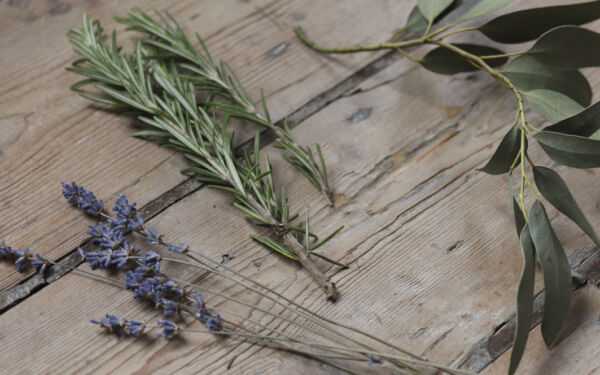
Nowadays, the benefits of essential oils and other natural products are being re-assessed and re-evaluated. Introducing aromatics back into the home is proving to be a healthy and enjoyable substitute for the many synthetic fragrances with which we are surrounded, and a valuable alternative to certain commonly used drugs. Current research confirms increasingly the value of many traditional remedies: for example, the bactericidal, antiseptic, fungicidal and healing qualities of tea tree have been shown through scientific research to be even more effective than many of its synthetic substitutes.

What are essential oils?
All essential oils are extracted from the plant kingdom, from flowers, herbs, trees, vegetables, or spices. They are organic compounds that occur naturally in a wide variety of different species, and can be found in leaves (rosemary), bark (cinnamon), blossoms (neroli), fruit (orange), wood (cedar), resin (pine), roots (vetivert) or buds (clove). They are called ‘essential’ because they not only capture the plant’s fragrance, but also its healing properties in a very concentrated way.
The main method of extraction is by steam distillation. This applies to the majority of herbal essences including lavender, thyme, rosemary & marjoram. Most citrus oils such as bergamot and orange are extracted by simple expression or pressure to the peel of the fruit. The more delicate perfume essences require a more complicated technique … jasmine, neroli and rose for example, are extracted using volatile solvents. Essential oils are the tools of the modern healing practice known as ‘Aromatherapy’.
“When we peel an orange, walk through a rose garden or rub a sprig of lavender between our fingers, we are all aware of the special scent of that plant. What exactly is it that we can smell? Generally speaking, it is essential oils which give spices and herbs their specific scent and flavour, flowers and fruit their perfume.”
– The Encyclopaedia of Essential Oils, Julia Lawless.

Effects & properties
In the past, all perfumes, toiletries and soaps were made using essential oils. Aromatic plants also formed the basis for the majority of traditional medicines in cultures all over the world. Today, natural oils have largely been replaced by chemicals and synthetic compounds for commercial purposes in medicines, perfumes and cosmetics. The popularity of aromatherapy, and the employment of essential oils for personal and home use, reflects our growing need to ‘return to nature’.
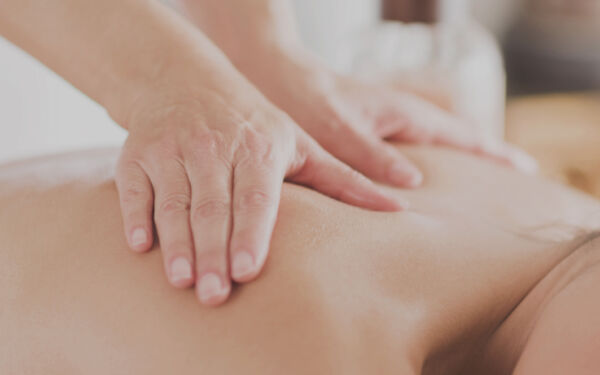
Since the oils are absorbed readily through the skin and into the bloodstream, the use of massage is an important aspect of the treatment. This is beneficial for a wide range of physical conditions such as arthritis, high blood pressure, skin disorders or muscular pain. A combination of oils can be more potent therapeutically than the use of individual oils if they are blended skillfully to make a ‘synergy’ – the resulting blend is more effective than the sum of its individual parts.

Nowadays our sense of smell is often undervalued or unappreciated … but this does not mean that it has no effect. The use of fragrance has been found to have particular value in the treatment of emotional or nervous disorders, especially when combined with massage. Our sense of smell is intimately connected with mood and memory, and modern research has shown that the scent of certain essential oils can help combat conditions such as insomnia, anxiety, depression and mental fatigue which are so often the result of today’s stressful lifestyle. Essential oils are therefore effective for both physical and emotional complaints … the two being intimately connected.