
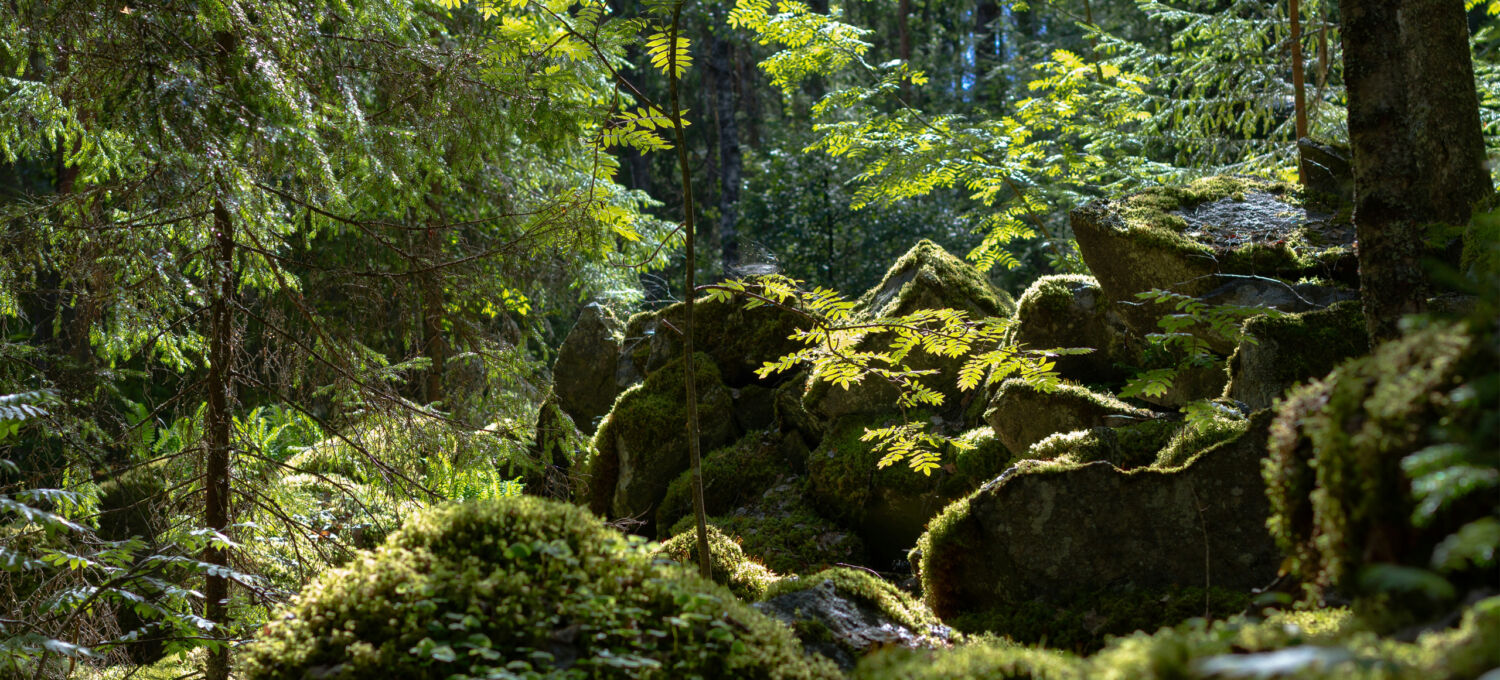
My daughter Tasha has recently returned from a trip to Japan where she spent some time hiking in the magnificent cedar forests of the Japanese Alps, as well as walking part of the ancient Nakasendo trail. Part of the route passes through much of the largely untouched and rural Kiso valley, that between the early 1600s until the late 1800s served as a vital connecting passage between Kyoto and Edo (now Tokyo).
Tasha describes her experience of hiking the trail much like a kind of ‘walking meditation’. Rugged and largely forested, the route that became the Nakasendo trail dates from the seventh century and the historic path offers a glimpse of Japan from a bygone era. Twisting through valleys, forests and mountains, the experience of such immersion on foot in untamed, bear-inhabited wilderness, offered her a real sense of time slowing down. She talks of feeling more present and aware of her surroundings, whilst more in touch with all of her senses to soak in all that was around her. The little details became significant markers of her trip.
Meanwhile here in the UK, many woodlands are now carpeted with bluebells and delicate white wood anemones, while overhead the canopies of our native deciduous trees, such as oak, beech and ash gradually turn a vivid green, creating a dappled shade where different woodland plants will later thrive. This creates a beautiful natural environment in which to walk and refresh our spirits, especially if we generally live in a city or built-up area.
Shinrin-yoku
In his book ‘Walking in the Woods’ Professor Yoshifumi Miyazaki introduces ‘shinrin-yoku’ as a simple and accessible way of immersing ourselves in nature.
‘In Japan, there is a notable preventative medicine that is being practised by increasing numbers of the population. Although it was borne out of intuition, this medicine is now being supported by a growing body of scientific research which endorses its many benefits’.
The term ‘shinrin-yoku’, which literally means ‘forest bathing’, is the practice of walking slowly through woods and paying attention with all the senses to one’s immediate surroundings: the leaves, canopy, sunlight, woodland plants, all the scents and sounds, as well as the creatures who live in the forest. In his book, Prof. Miyazaki cites several new research studies which have shown that spending time immersed in nature helps reduce stress levels and blood pressure, improve weakened immunity and increase our overall sense of well-being. In one study, it was shown that breathing in the aroma of pine and Japanese cypress significantly calmed pre-frontal brain activity and boosted the parasympathetic nerve activity that increases during relaxation. Such studies also illustrated that it is important for an individual to enjoy the scent of a particular aromatic oil or plant for this increased sense of ease and relaxation to be triggered.
‘Nature Therapy’
Our bodies have adapted to live with nature for millions of years, and even though we may struggle to accept it, living in our modern society often puts our bodies into a permanent condition of overload. Today, over 50% of the world’s population live in urban areas and with the increased emphasis on modern technology and social media, this state of stress has only increased. That is why having contact with nature through our five senses can bring us closer to our original relationship with the natural world, as well as help to induce a state of relaxation.
Since stress-related diseases have proliferated in society today, attention is gradually turning back to many of the more traditional forms of therapy and to nature itself as a resource. The basic concept behind ‘nature therapy’ is to increase physiological relaxation and act as a preventative medicine by improving our body’s natural resistance to disease which is suppressed under conditions of stress. The practice of ‘forest medicine’, which simply involves spending time walking in woods and observing nature close-up, is now being carried out in several established centres in Japan as well as in Scotland, England, Scandinavia and the US.
‘The practice of shinrin-yoku is based on walking through the forest at a gentle pace for two hours or more. Keeping your phone switched off, allows time to soak up the environment around you and come into the here and now. The phrase ‘shikan shouyou’ means ‘nothing but wandering along’ – something we rarely get a chance to do, but which is very beneficial’.
Forest-inspired aromatics
Essential oils are one way to reconnect with the nature of a forest even within an urban environment. There are many aromatics produced from the wood, needles and berries of trees: these include many varieties of pine, cedar, spruce, eucalyptus, cypress, juniper, myrtle and bay laurel as well as a whole range of more exotic species, such as cinnamon, sandalwood, amyris and tea tree to name but a few. There are also many lovely aromatics produced from oleo-gum resins of trees, such as myrrh, frankincense and elemi.
Our ‘Mountain Air’ Diffusion Blend combines many of these woody botanical oils into a unique synergy, being based on high-altitude coniferous species having a clearing and cleansing effect. Closer to home, these are a few of the woody essential oils which, when vaporised at home using a diffuser or oil burner, help to purify the air, induce a sense of ‘alert’ relaxation and have an overall therapeutic effect.
Bay Laurel (Laurus Nobilis): An evergreen tree with dark green, glossy leaves and black berries: it should not be confused with West Indian Bay Oil (Pimenta Racemosa). This pale, mobile essential oil is steam distilled from the leaves having a fresh, spicy-medicinal scent. The oil as an effective room purifier and can be used to combat viral infections as well as colds, flu and chills added to a room diffuser. I have walked in the ancient laurel forests on Tenerife which are millions of years old, and which influence the local climate by creating their own moisture laden ‘clouds’.
Cedarwood Atlas (Cedrus Atlantica): A pyramidal evergreen tree with needle leaves and rounded cones. The wood is hard and strongly aromatic due to its high essential oil content. Although native to the Atlas Mountains in Algeria it can be found growing throughout the UK, Europe and the US. The oil is steam distilled from the wood chippings, having a woody-balsamic scent which is comforting and soothing. When vaporised it helps ease coughs and bronchitis. It can also act as a natural insect and moth repellent.
Cypress (Cupressus Sempervirens): A tall evergreen tree, with slender branches and a statuesque, conical shape, which is commonly planted in gardens throughout the UK, Europe and Asia. It bears small flowers and round, brownish-grey cones or nuts. The oil is steam-distilled from the needles and twigs of the trees, and has a lovely smoky, sweet and woody scent which is soothing, warming and comforting. It helps facilitate easy breathing and acts as a purifying air freshener – traditionally used as a ‘cleansing’ smoke in Asia and the Americas.
Juniper Needle (Juniperus Communis): A familiar evergreen shrub or tree with bluish-green narrow, stiff needles, found right across Asia, Europe and the Americas. It has small flowers and little round, bluish-black berries which are actually miniature pine cones. The needles yield a ‘sabinene’ rich oil which is a predominant factor in differentiating it from juniper berry oil. The oil has a fresh-balsamic scent which facilitates easy breathing and makes an excellent purifying air freshener. The berry oil is considered superior for perfumery work.
Pine Needle (Pinus Sylvestris): Derived from a tall, evergreen tree with reddish-brown bark and long, stiff needles and pointed, brown cones. A common species of pine found right across the northern hemisphere, including Scandinavia and at high altitudes. This essential oil is actually distilled from the Siberian Fir, but it is commonly simply called Pine Needle Oil. It has a fresh balsamic scent which is uplifting and refreshing. It is also good for colds and chills, clearing the head and as a natural air purifier having natural antiseptic, antiviral and bactericidal properties.