
The ritual of the sauna & the benefits of aromatic bathing
Bathing in thermal water is one of the earliest therapeutic practices. The origin of the word ‘spa’ is from the Latin phrase, salus per aquae meaning simply: ‘health through water’. In early civilizations, people around the world believed that ritual bathing in the thermal water from a pool or hot spring, or via herb-infused aromatic steam, resulted in both physical and spiritual purification. Such rites existed in the early Native American, Asian, Mayan, Babylonian, Greek and Roman cultures – all these traditions reflected the ancient belief in the sacred healing and cleansing powers of water. Complex bathing rituals were also practiced in ancient Egypt and in the pre-historic cities of the Indus Valley and Aegean settlements. Alongside their natural hot springs and pools, the Aegean people even utilized bathtubs, wash basins and foot baths for their personal cleanliness – prototypes for our modern bathrooms. Some of the earliest such findings have been discovered at the palace complex at Knossos in Crete, dating from the 2nd millennium BC!
Bathing rituals from different cultures over the years
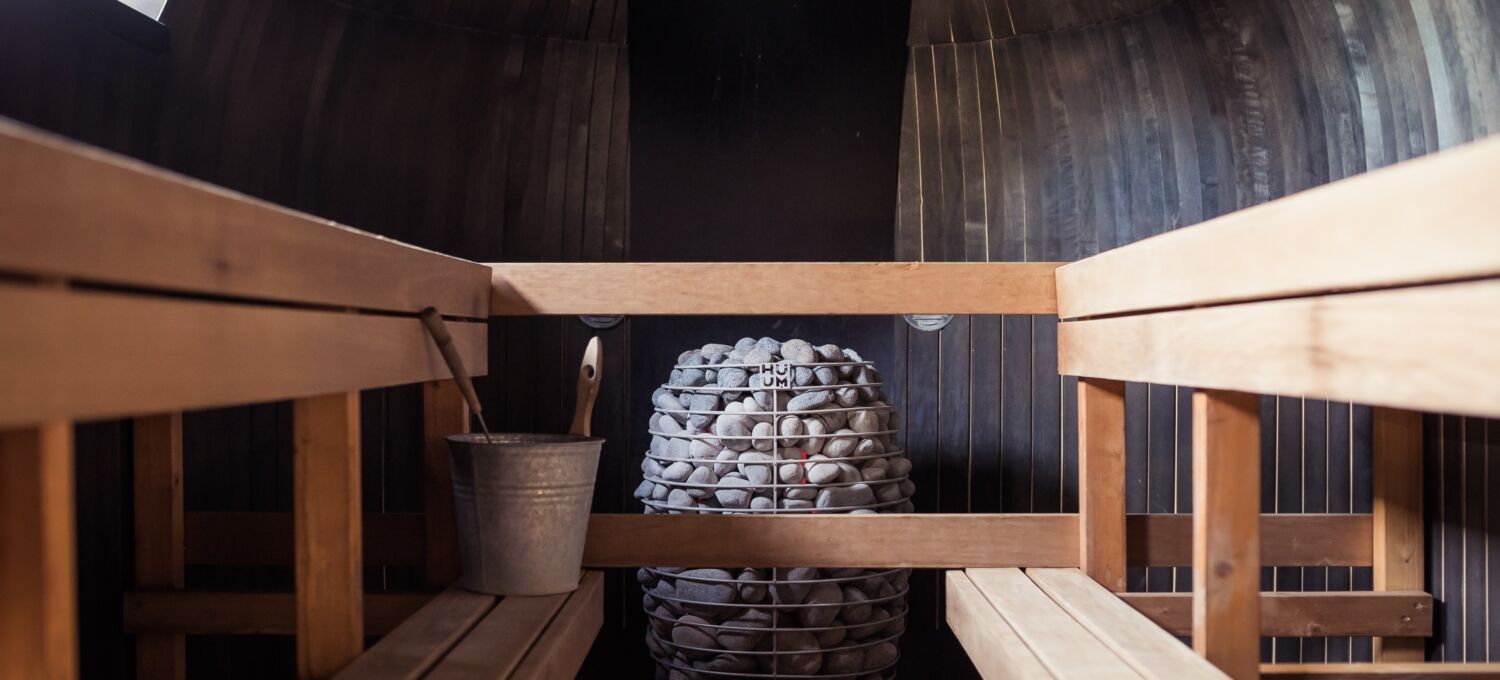
Over time, each culture adopted specific bathing traditions and rituals that suited the climate and customs of their country. Japan, for example, has practiced two distinct types of bathing rituals from ancient times with their onsen and sento traditions: onsen literally means a hot spring, whereas sento refers to a public hot bath, not attached to a hot spring. These are the two relatively distinct types of therapeutic bathing traditions that developed – one based around a natural thermal spring, and the other based on either a wet heat or steam experience, such as the Middle Eastern hammam, or a dry heat experience, such as the Finnish sauna. In the sauna, it is also customary to throw ladles of warm water on to the hot stones to create a burst of steam to encourage sweating and further cleanse the pores. It is beneficial to add a few drops of an essential oil such as juniper needle, pine, cedarwood or rosemary into the bowl of warm water to create an aromatic vapour, for their healing and purifying effects.
Julia’s experience of sauna and Finnish traditions
I was naturally brought up within the sauna tradition since my mother was Finnish. The ritual of the sauna remains central and essential to the culture and lifestyle of the Finns. In my family, everyone would take a sauna twice a week, generally in the early evening: first all the women and girls would go into the sauna together and then in turn, all the men and boys. Of course, everyone went in naked and this was entirely fundamental to the sauna ethos – in fact it was so natural that I never even thought about it while I was growing up. Yet, how often do we allow ourselves to feel the touch of the elements directly on our skin? It is such a wonderful sensation to swim naked in a lake or in the sea surrounded by a natural landscape.
The sauna is, above all, a truly elemental experience. It starts with the gathering and the preparing of the wood: carrying the logs and stacking them by the stove, then breaking up the kindling, all in readiness for the fire to be lit. After that it is customary to make a vihta, by gathering a bunch of fresh and springy silver birch twigs that are then bound together with twine. This is dipped in a bucket of warm water to soften the leaves while the sauna warms up. The aroma of the logs crackling as the stove starts to heat up; the fragrance of the wood smoke drifting in the evening air; the sharp smell of the piney-resin seeping from the cabin walls; and the fresh-balsamic scent of the birch twigs dipped in warm water to make them pliable, are all rich sensory experiences deeply imbedded in my memory from early childhood. We experience life through all of our senses – touch, taste, smell, hearing and sight – and I can still vividly remember the familiar, soft-resinous aroma of the wood smoke gradually disappearing into the dwindling light of dusk, from when I was a child.
In a land where the temperatures can drop to minus 40C and the winters can be long and dark, it is no wonder that the true origins of the Finnish sauna can be traced back to ancient mythological roots, which go back thousands of years. Originally utilized as an antidote to harsh and freezing weather, as well as a place to cleanse oneself, it also traditionally had an important ceremonial and spiritual role. It was the sacred place at the center of the home where babies were born, where death sacraments were performed and where healing rites took place.
Even today, the sauna tradition is a complete ‘way of life’ for the Finns. It is not something to enjoy only when time allows, rather it is ongoing ritual that is intrinsically integrated into a lifestyle that honors simple pleasures. Time spent in nature and experiencing the elements – water, fire, earth, air and space – with all of our senses can be restorative, inspirational and healing. The rhythms of the natural world can also teach us how to survive hard times despite the challenges that we may face in our lives. Immersing oneself in the beauty of its seasonal changes can provide us with an inner transformative strength through an understanding that everything is transient and that everything is cyclic. Nature enables us to reconnect with our inner selves and recognize that we are inextricably connected with the patterns of nature and with everything around us.