
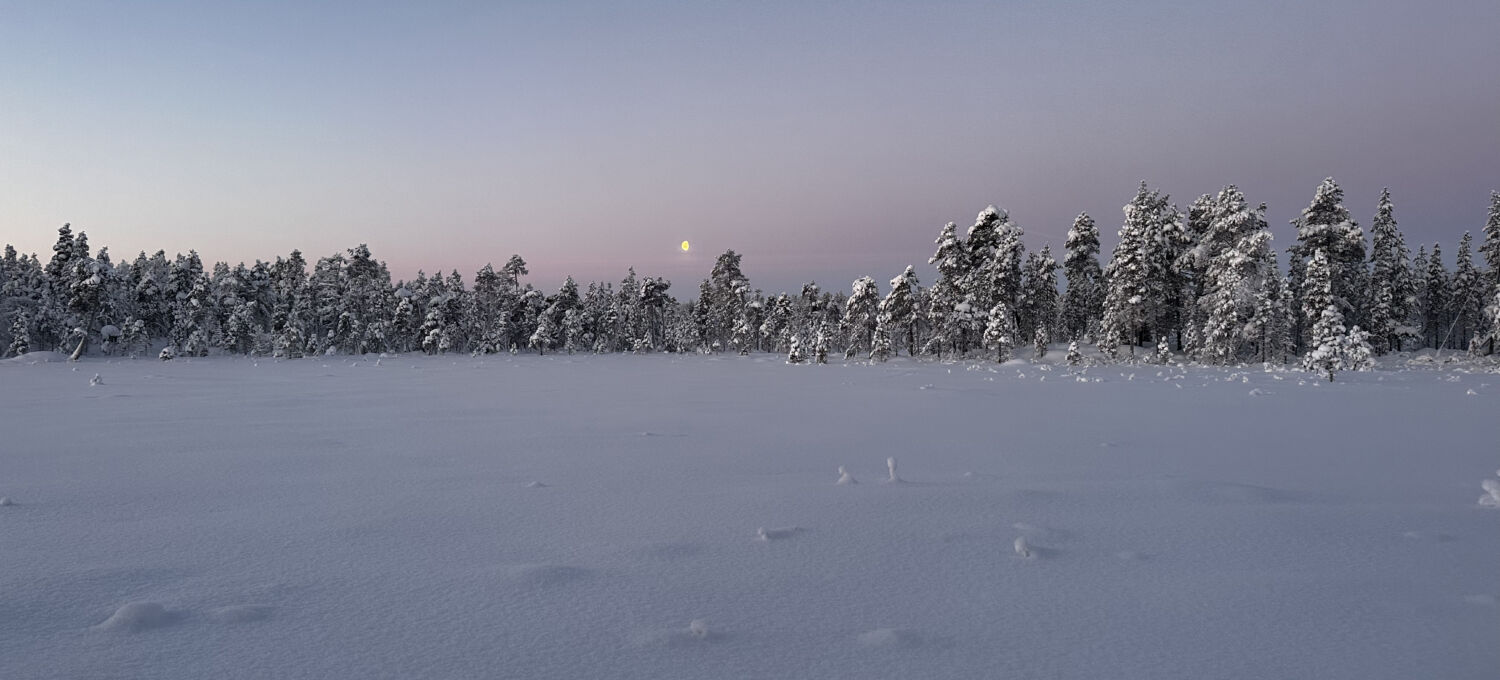
“We need to return to learning about the land by being on the land, or better, by being in the thick of it. That is the best way we can stay in touch with the fates of its creatures, its indigenous cultures, its earthbound wisdom. That is the best way we can be in touch with ourselves.”
Gary Paul Nabhan
Being Present with our Five Senses
At the beginning of the year, we each have an opportunity to reset our compass. We might ask ourselves: what direction would I like to take this coming year to feel more fulfilled in the future? A very simple way of feeling a greater sense of contentment and happiness on an individual level is through connecting with the natural world. This can be a deeply enriching and transformative experience in itself! Simply spending time in nature with a clear and open mind, can help to bring us into the present moment. By paying attention to all the sounds, sights, smells and sensations around us can enable us to let go of distracting thoughts or emotions and to become fully immersed in our natural surroundings. Nature does not judge us or elaborate unnecessarily – it just is – and this experience can be refreshing and healing. Listening to the wind in the trees; seeing the sunrise; observing the majesty of snow-capped mountains; or gazing into the vastness of a clear blue sky, naturally opens our hearts, slows down our breathing and helps us to release any tension we feel in our body or mind.
Keeping a nature journal to document our experiences, thoughts and feelings by sketching or writing about the plants, animals and landscapes we encounter, can also help to deepen our connection to our environment. Artistic expression has a way of making us more observant, aware and still. It can also facilitate our process of inner exploration as often what emerges can surprise us or reveal unexpected insights. But it can also be equally rewarding to remain in silence, observing the natural world around us without the need for words or explanations.
Finnish Lapland & the Sámi People
Exploring the symbolism and meaning of animals and plants in various cultures and spiritual traditions can be life enhancing. We often find that we resonate with some cultural traditions more than others, as well their native animals and plants, especially if we have a family connection. By researching our ancestry and finding out what kind of relationship our relatives had to the land, can help us to reconnect with an inner meaning within our own lives. Learning about the mythologies of our kinsfolk can also provide insights into our deeper self: for example, to understand more fully any associated images or animals that may appear in our dreams.
Spending some periods alone in wild places can also allow us to connect on an essential level with the rhythms of the natural world and our inner self. For New Year, my daughter and granddaughter travelled to the far north of Finnish Lapland to embrace the wilderness of the Arctic for the first time and to witness the northern lights. Here there are ancient mountains with frozen lakes, crystal clear waterfalls, reindeer herds and rare arctic flora that can survive the freezing eight months of winter where temperatures regularly drop below -30 °C. Since we all have Finnish blood derived from the maternal side of our family, this was also a journey of discovery into common ancestry and re-establishing a connection to the land. Lapland is home to the Sámi indigenous people, whose intimate relationship with nature is inherent. For the Sámi, like the Native Americans, the rocks are animate, as are mountains, water and fire – as all are imbued with spirit. When we connect with any the elements using our five senses, we can automatically feel nourished by their inherent vitality and dynamic quality. Wherever we are, in a city or in the countryside, we can always make time to appreciate the aliveness, beauty, interconnectedness of nature. As part of our everyday routine, it is therefore beneficial to take a walk in a natural environment such as a park, forest or by the ocean each day and to connect with the elements around us.
The Foraging Tradition
The Sámi and Finns are famous for their botanical knowledge so foraging has always been an important aspect of the Nordic lifestyle. A Finnish study by ‘The Natural Resources Institute’ indicated that sixty-six percent of Finnish people go foraging at least once a year, whether they live in the town or countryside. In Finland, the so-called ‘everyman’s right’ or ‘the right to roam’ law means that people are permitted to camp, swim, fish and forage virtually anywhere in the land – thus everyone is permitted to go foraging freely, apart from in family gardens or protected nature reserves. Compare this policy of individual freedom to the laws of England, where the single remaining area on Dartmoor with the ‘right to roam’ rule, has recently been the subject of an ongoing legal battle between local people and a wealthy landowner who has tried to withdraw these rights. The vast forests and largely un-inhabited areas of Finland guarantees that there are plenty of berries, herbs, mushrooms and seasonal greens for everyone. The native know-how of what to pick and how to prepare a wide range of plants has therefore naturally been passed on from generation to generation.
One of the iconic botanical species of the Sámi, is angelica (Angelica archangelica) a plant rich in Vitamin C and other medicinal qualities. All parts of the plant were traditionally utilized, both for food and for medicine as well as being associated with strength and fertility magic. Birch sap is another of their ancient traditional plant medicines and there are many Finnish folk tales about the extraction of birch sap since it is known to have excellent remedial properties. Birch sap is a great ally for detoxing in the New Year as it facilitates elimination via the kidneys, skin and blood. Apart from helping to eliminate all the toxins accumulated during wintertime, it is also rich in minerals and trace elements. Young birch twigs are also picked and bound into bundles to make vihta, used to beat the skin in the sauna to further eliminate toxins, and to encourage sweating and purification. Blueberries, cloudberries, lingonberries, nettles, dandelions, juniper and a wide variety of mushrooms are the main plants commonly gathered on foraging trips in the wild. Other Finnish traditional herbs regularly used, especially in culinary dishes, include dill, parsley, fennel, oregano, thyme and peppermint.